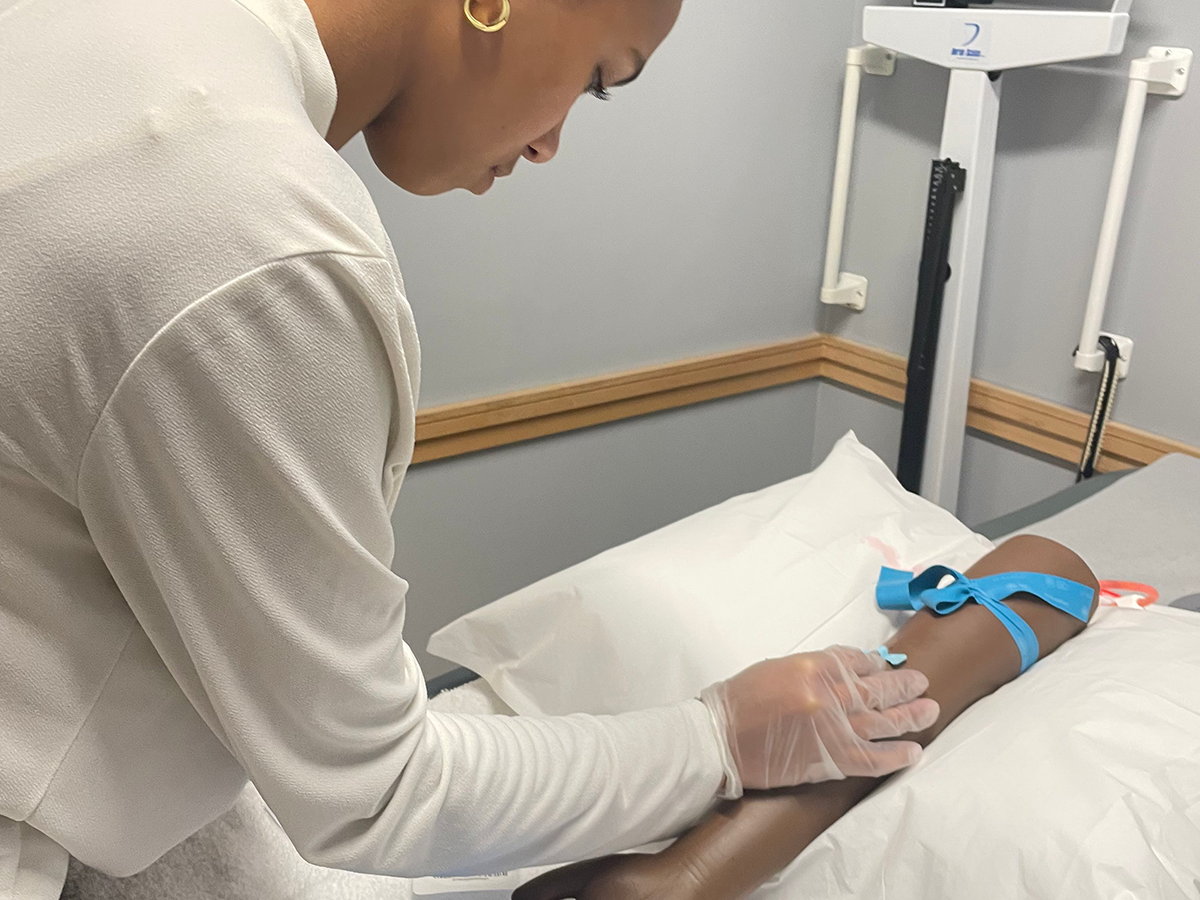
In summer 2025, Beaver Country Day School launched its first STEMM Internship Program, giving students the opportunity to work in real-world research settings between their junior and senior years. Led by Science Department faculty member Dr. Alison Livingston (known as Doc by her students), the program connects students with Boston-area labs, clinics, and organizations in fields such as cancer biology, neuroscience, and medicine.
The internships, designed for pairs of students at each site, ran for four to six weeks across the Greater Boston area. Participants applied in the winter of their junior year, interviewed with a faculty committee, and completed site-specific onboarding in the spring to prepare for the science, culture, and expectations of their host organizations.
Beaver’s science curriculum is designed to build the skills students need to do science, not just learn about science. Beaver’s launch, test, refine model applies perfectly here, as scientists need to think critically, troubleshoot, and persevere through challenges. This mindset allows students to contribute to the real work in the lab
Dr. Alison Livingston, Beaver Science Faculty
This pilot program was made possible by local partner organizations introduced to Beaver by enthusiastic parents and alumni who believe in engaging our students as scientists and practitioners. These generous community connectors opened doors for 10 capable and curious students at six host sites:
- Beth Israel Deaconess Medical Center
- Bruker
- IOCB Boston
- Lown Group
- MIT Biological Engineering
- Terrain Bio
Throughout the summer, Dr. Livingston kept in touch with both interns and providers, and the feedback was overwhelmingly positive: host organizations noted that Beaver students came prepared and ready to contribute to project work, while students reported that the experience was both challenging and inspiring—offering hands-on research, meaningful mentorship, and insight into future career pathways. While some student internships were paid opportunities, the ones that were not are being funded through a stipend made possible by Beaver.
The STEMM internship at IOCB Boston was extremely fun and a really great experience working alongside real doctors on real-life and in-depth experiments … Beaver offers so many exciting and amazing opportunities both in and out of the classroom, and I can see the connections between what I learn in my classes and the research happening outside of Beaver.
Chris Anderson ‘26
Student Internship Spotlights
See what the students had to say about their internship experiences.
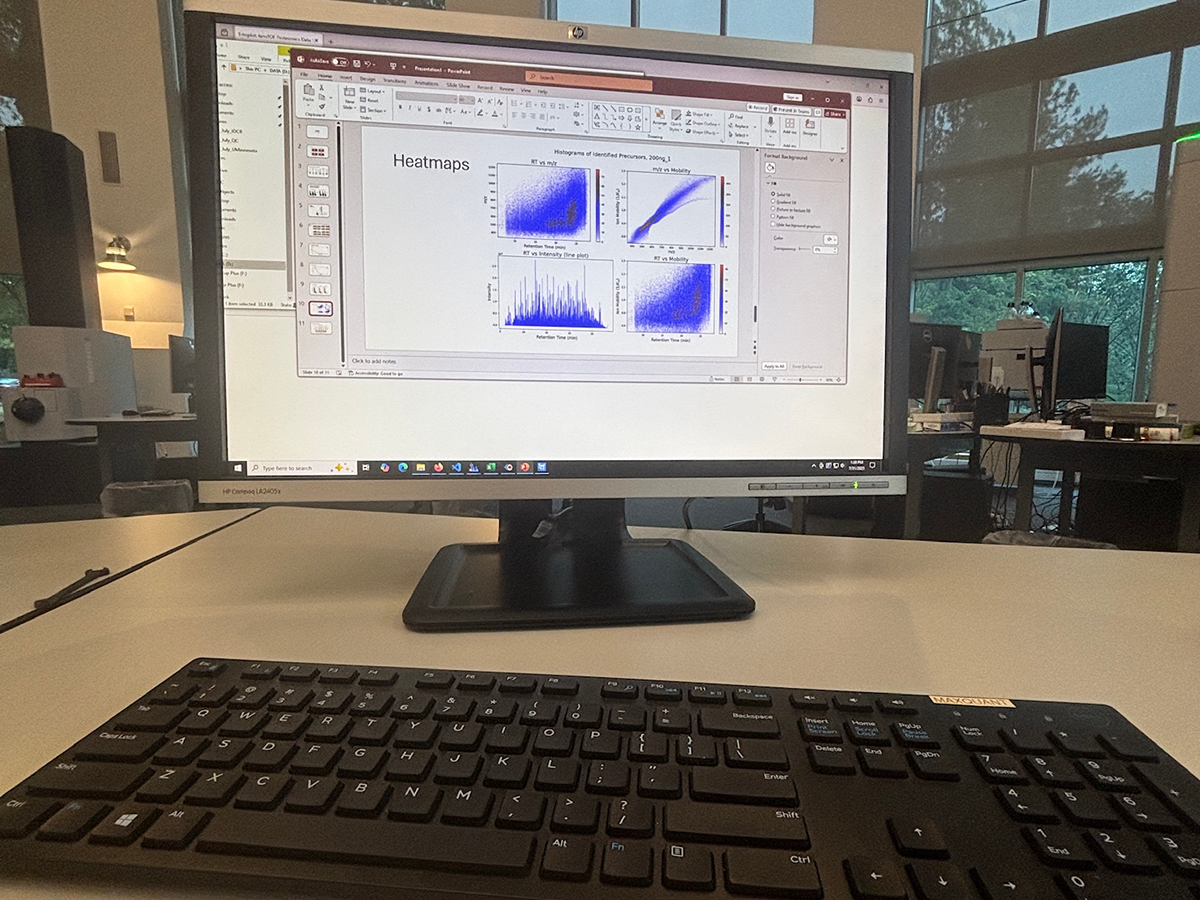
This August, I interned at Bruker, a company that manufactures and sells high-tech scientific laboratory equipment. The proteomics department works with mass spectrometers, which are used for quantitative protein analysis. These tools have many biomedical research applications, including cancer research, protein modification, and toxicology.
I spent much of my time at Bruker coding programs to visualize data for analysis. My experience in Beaver science classes, as well as time spent at NuVu coding, gave me excellent preparation for this work. For example, in my junior year Organic Chemistry class, we did a caffeine extraction lab using thin-layer chromatography (TLC) paper to separate and view different molecules. Mass spectrometers use liquid chromatography (LC) columns in a similar way—separating molecules and spreading out their release times so they can be measured. That connection helped me understand the work right away.
One highlight was pipetting and running tumor cells through a mass spectrometer, then analyzing the data on my own. This internship gave me valuable, hands-on experience with advanced biomedical technology and data science—and it confirmed my future career goal of becoming a doctor.
I experienced a wide range of emotions after interning at The Lown Cardiology Group. While I was sad to leave such a welcoming community, I was also filled with excitement and gratitude. Many people never get the chance to feel such joy and anticipation for their future, and I feel lucky that I did.
I’ve always known I wanted to pursue medicine, but working alongside cardiologists, exercise test physiologists, and echo-sonographers helped me discover more about myself: I thrive in fast-paced, hands-on, team-based environments; I’m deeply curious about the science behind patient care; and I find the most meaning in work that directly improves people’s lives.
This experience didn’t just confirm my interest in medicine—it focused it. I now know I want to build a career in cardiology. Observing how each physician combined expertise with compassion taught me that I don’t just want to diagnose—I want to treat and guide patients through uncertainty and be the one who can say, after surgery, “It went extremely well.” This internship gave me the clarity, conviction, and passion to pursue that path.
For my STEMM internship, I joined the Ribbeck Lab at MIT, which studies mucus and its role in health and disease. I shadowed and assisted a PhD student, focusing on Staphylococcus aureus (Staph), a harmful bacteria. Over four weeks, I conducted RT-qPCR (reverse transcription quantitative polymerase chain reaction) experiments to measure RNA expression levels and investigate which types of mucins in Staph are the most and least harmful.
My days varied: sometimes hours of lab work, sometimes analyzing data, sometimes reading research articles. During the first week, I focused on learning lab tools and background science. Over the next two weeks, we ran the experiment twice—refining it as we went. In my final week, I created and delivered a presentation on my research to members of the lab. It was nerve-wracking, but it gave me the chance to share my work and receive feedback on possible next steps.
Overall, this internship was an amazing experience. It pushed me out of my comfort zone, gave me insight into real-world research, and strengthened my interest in pursuing science in the future.
These type of authentic, engaging internship experiences not only strengthens the way Beaver students approach the college admission process, but also enrich their academic and professional pursuits once on campus. Time and again, admission officers and professors remark that Beaver students’ hands-on learning experiences set them apart, highlighting their ability to apply knowledge with confidence and curiosity.
Cara Hanig, Director of College Counseling
What’s Next for Our Interns?
Now back on campus, our interns have kicked off their senior year. They will present their findings in a fall poster session for the Beaver community, which will also introduce this year’s juniors to the opportunities available for Summer 2026.
Get Involved
Plans are already underway to expand the program in Summer 2026, deepening connections between Beaver students and Boston’s scientific community. If you have an idea for an internship site or can connect Beaver with a potential host, please reach out through this form—we’d love to hear from you.