Through Beaver’s STEMM internship program, Sammie Clark ’27 spent her summer as an intern at the Beth Israel Deaconess Medical Center. Sammie has a lot to show for the experience—including being listed as an author on a published research article.
In the post below, Sammie shares her experience researching AI and mental health, contributing to a research paper, and gaining hands-on experience in a clinical setting.
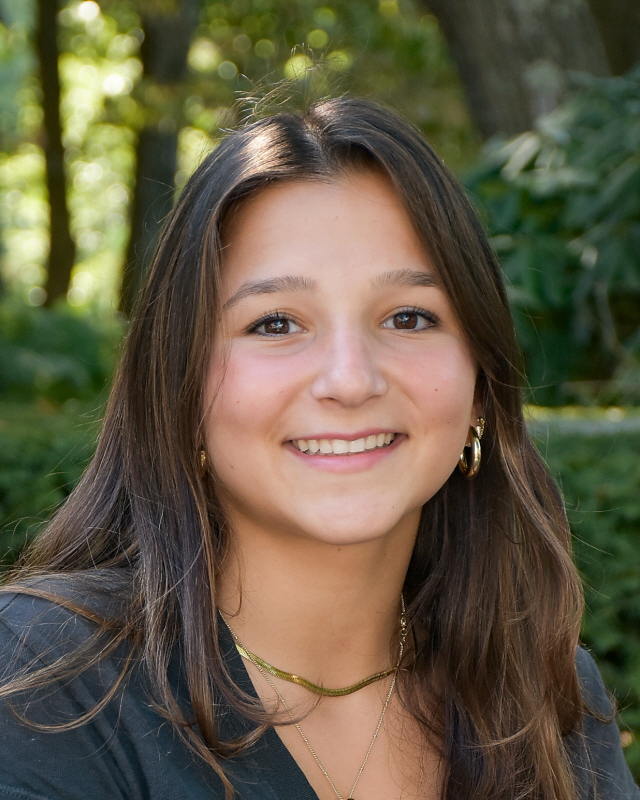 This summer I interned at Beth Israel Deaconess Medical Center (BIDMC) in the Division of Digital Psychiatry with the Torous Lab, led by Dr. John Torous. I worked roughly 9:00 am to 5:00 pm each day, helping out wherever I was needed.
For the first couple of weeks, I worked with the AI evaluation group, gathering data on how LLMs respond to mental health questions and tracking where the models pulled their sources from. This meant learning about different psychiatric disorders while getting familiar with a range of AI platforms. The research had several stages: comparing AI responses with and without source citations, then repeating the process in multiple different languages to check for differences. This work fed into a study my colleagues are working on, and when it’s published, I’ll be credited as a research editor on the report!! I was happy to know that the time I had spent inputting questions was a crucial piece of the study’s data set.
From there, I moved on to mindbench.AI (the lab’s LLM evaluation tool), sorting through model cards for various AI platforms and reporting on what they offered in terms of mental health assistance and risk prevention.
Using everything we had learned about benchmarking and youth mental health, the other high school intern and I co-wrote a short blog post for the Mind Bench weekly blog. That blog post inspired our lab head to assign us to write a paper on the harmful growth of AI in the mental health space told from a youth perspective, as we are the first generation to grow up in this world of technology. We have continued to stay engaged beyond the six-week program as it moves through peer review. It will soon be published in JMIR, one of the top 20 mental health journals! In addition, we will soon be meeting with OpenAI to share our findings and offer recommendations for regulations that protect youth mental health and reduce the risk of overreliance on AI.
Beyond the research, I also attended a conference with my coworkers on the growing use of AI in the medical field and how it could transform future health care. I also spent time in a clinical setting visiting the inpatient psychiatric unit, speaking with patients and helping to unpack and set up phones. Every Tuesday, I joined lab meetings where each team shared their progress, and on Fridays, I sat in on digital rounds where colleagues and medical students discussed the patients they were working with and how the digital clinic and mindbench were supporting their care.
This has truly been such an amazing opportunity, and I am incredibly grateful for the exposure to so many diverse experiences in the lab. I now have a clearer idea of the type of work I enjoy and where I want to take my interest in science and the medical field.