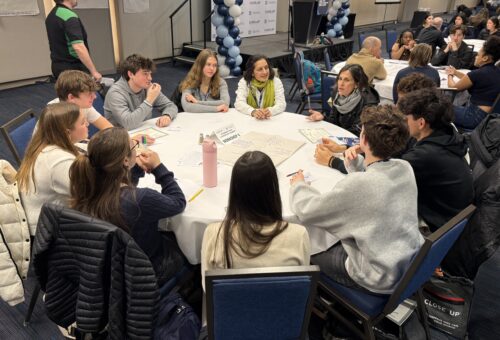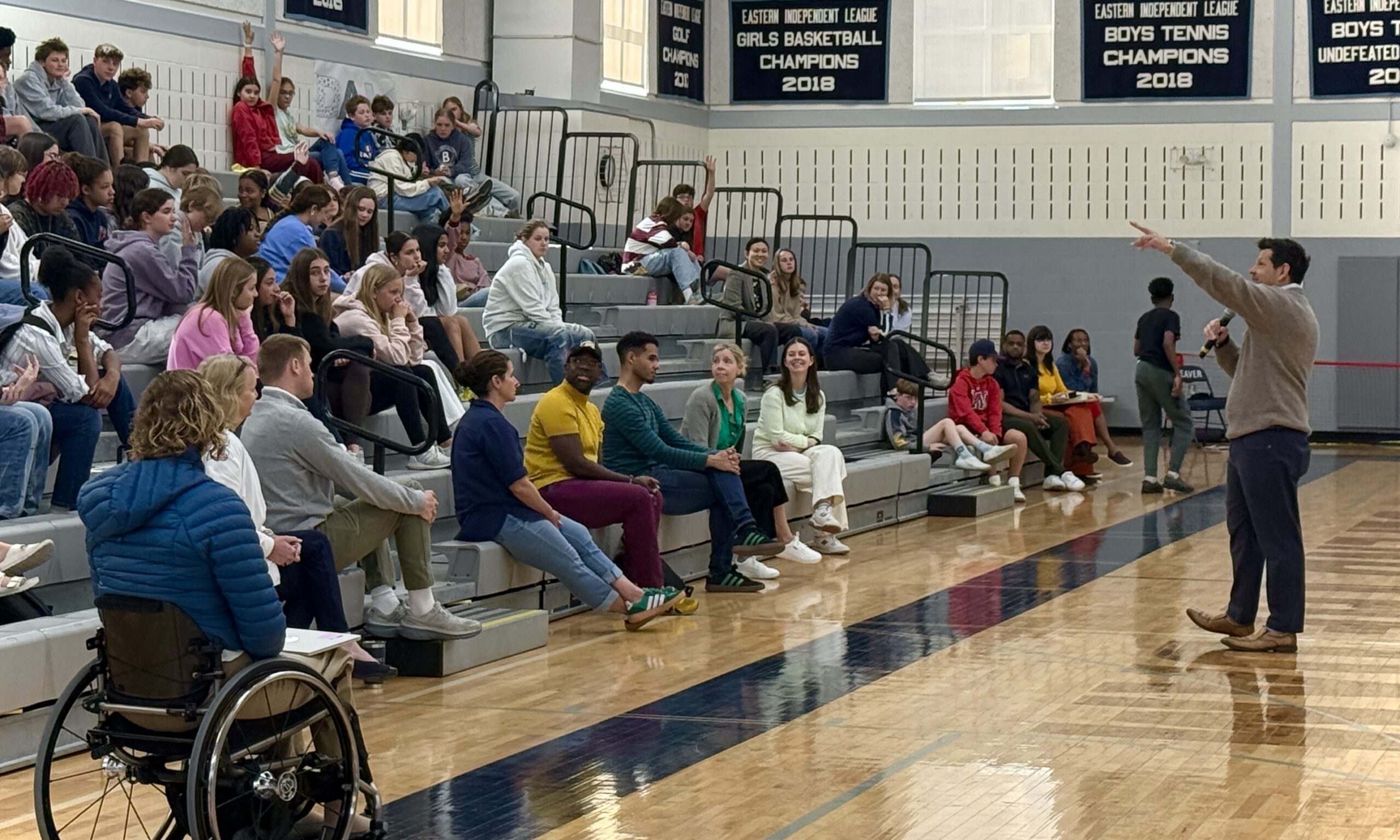
Iván Espinoza-Madrigal’s week at Beaver as an Expert in Residency highlights the conversations and initiatives students are eager to engage with. The post below recaps Iván’s time on campus, touching on the classes he visited, his work with the Hiatt Center, and how his visit aligned with a student-led Social Impact Fair.
When students began approaching the Hiatt Center about creating more opportunities to engage with the topic of immigration, they set in motion what would eventually become a week-long inquiry into the topic featuring a expert in residency and Social Impact Fair. Central to the experience was Iván Espinoza-Madrigal, Executive Director of Lawyers for Civil Rights, who spent a week on campus meeting with students and faculty, visiting classrooms, and sparking conversations.
I sent an email to the Hiatt center to say that I wanted to get involved in any way I could. That led to a bunch of meetings with other students, because apparently others had emailed and said similar things. It’s kind of daunting to tackle something like this on your own but we had a great group.
Chelsea Allen ’27
With both Upper and Middle School students advocating for more opportunities to explore the topic of immigration, the Hiatt Center planned a series of meetings for students to express concerns, discuss goals, and create a plan. “The Hiatt Center became a gathering space for students and faculty seeking conversation, reflection, and ideas for action,” shared Associate Director of the Hiatt Center Barbie Garayúa Tudryn. “We intentionally worked to meet students where they were and listened closely to identify the issues that mattered most to them.” These conversations became the foundation for both Iván’s visit and the Social Impact Fair.
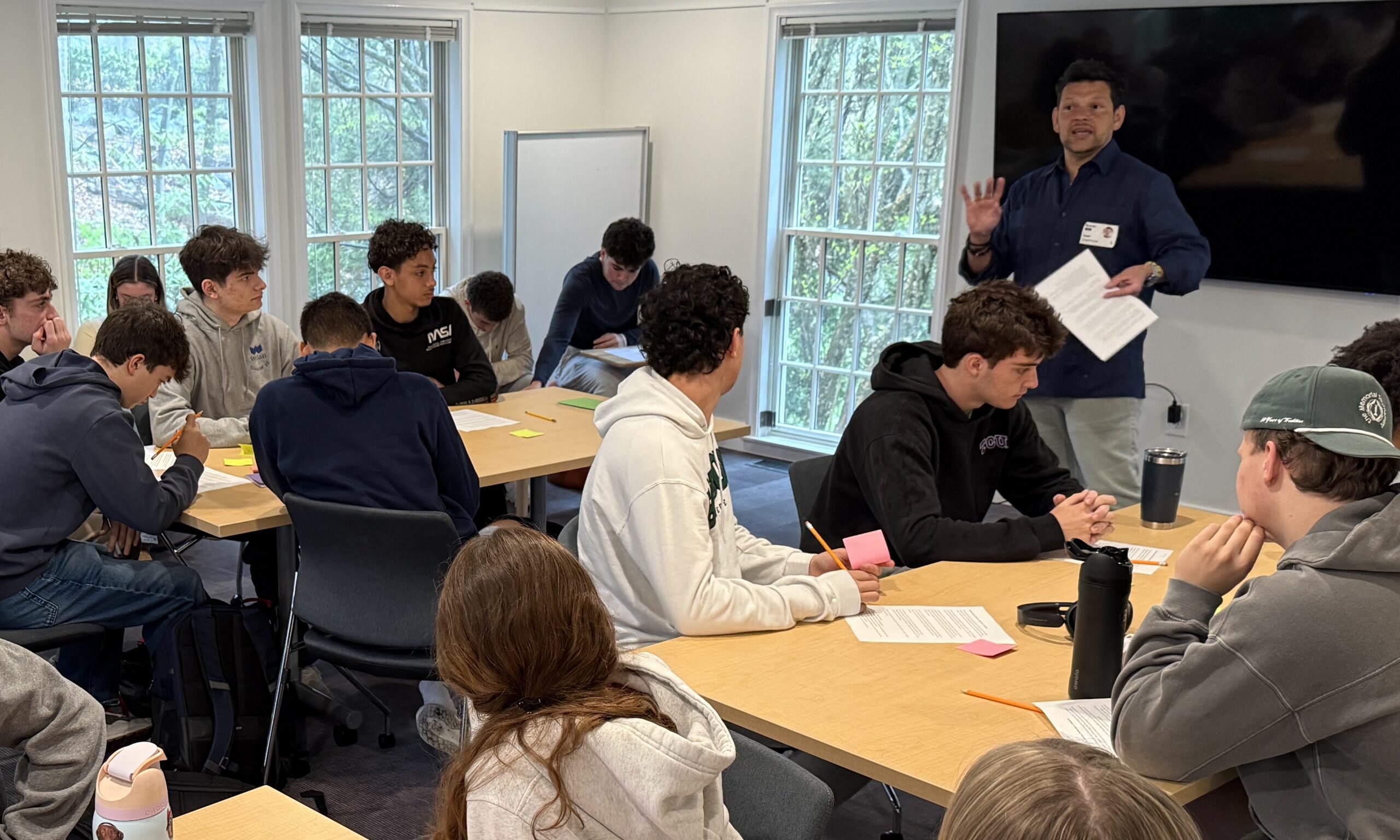
While at Beaver, Iván presented to Upper and Middle School students, led workshops, visited classes, and started conversations across campus. In one instance, Iván brought together several classes—Theories of Justice, Philosophy, and Empires to Independence—to work through case studies related to immigration, diving deep into the ethical and moral dilemmas that come with immigration enforcement. In another example, Iván fielded questions from Middle School students about his career, his favorite cases to work on, and his perspective on civil rights.
One of the questions that I received about the future of civil rights came during the middle school meeting. It’s clear to me that even at that age, students are already thinking very big picture about the world around them, the future, and the opportunities that lie ahead, whether it might be personal, professional, or advocacy related.
Iván Espinoza-Madrigal, Executive Director of Lawyers for Civil Rights
Iván leveraged the concept of “Cathedral Thinking” to encourage students to view their advocacy as part of something much bigger, especially when it seems there is no immediate outcome to their work. “A central idea Iván shared was ‘Cathedral Thinking,’ the belief that meaningful justice work takes time, collective effort, and commitment, much like the construction of a cathedral may take generations to build,” explained Barbie Garayúa Tudryn. This concept—paired with Iván’s infectious optimism—served as inspiration for students hoping to make a difference. “Iván Espinoza-Madrigal’s speech was very inspiring and stuck out to me,” reflected Leila Sakoulis ’27. “It was very hopeful for the future, which was really nice to hear, especially in times like these.”
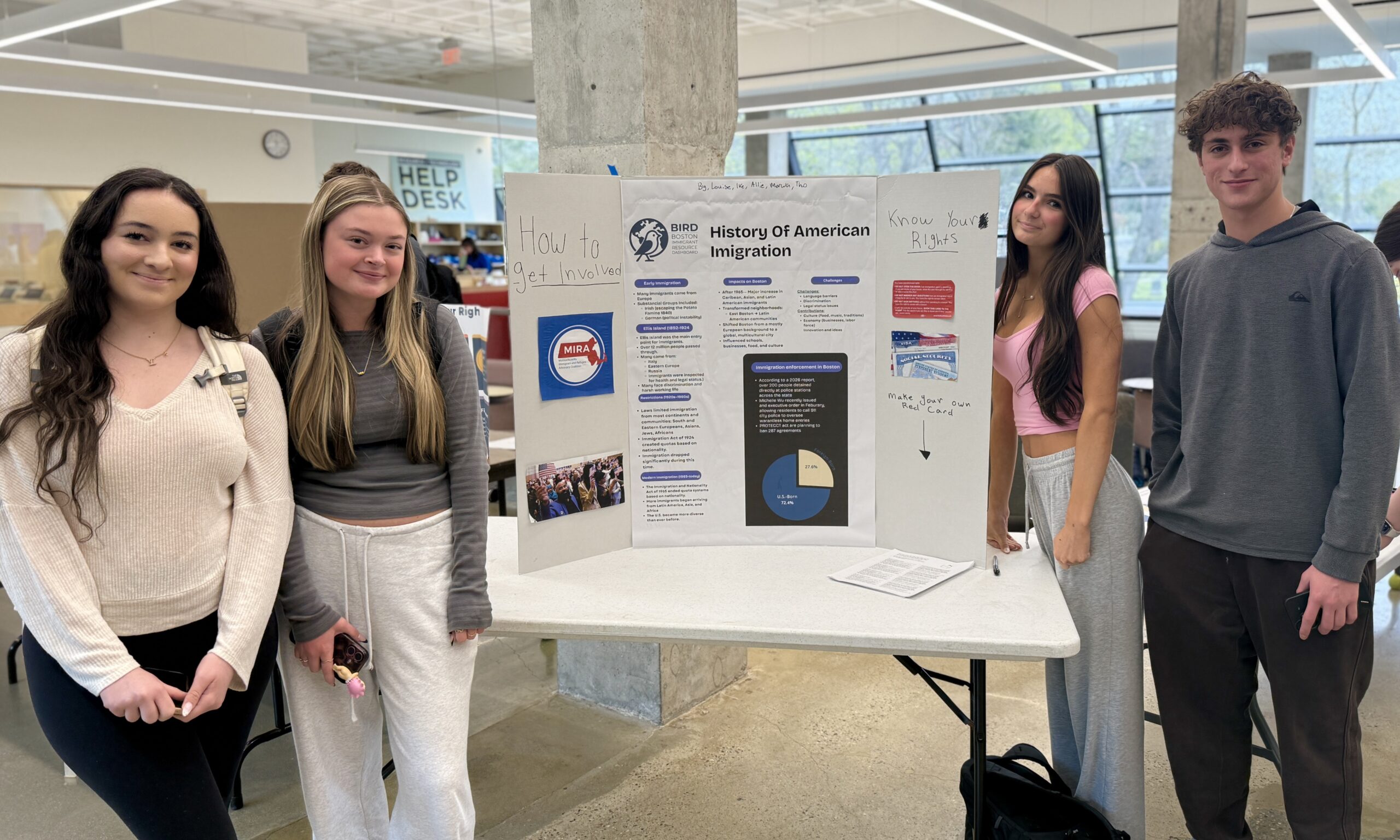
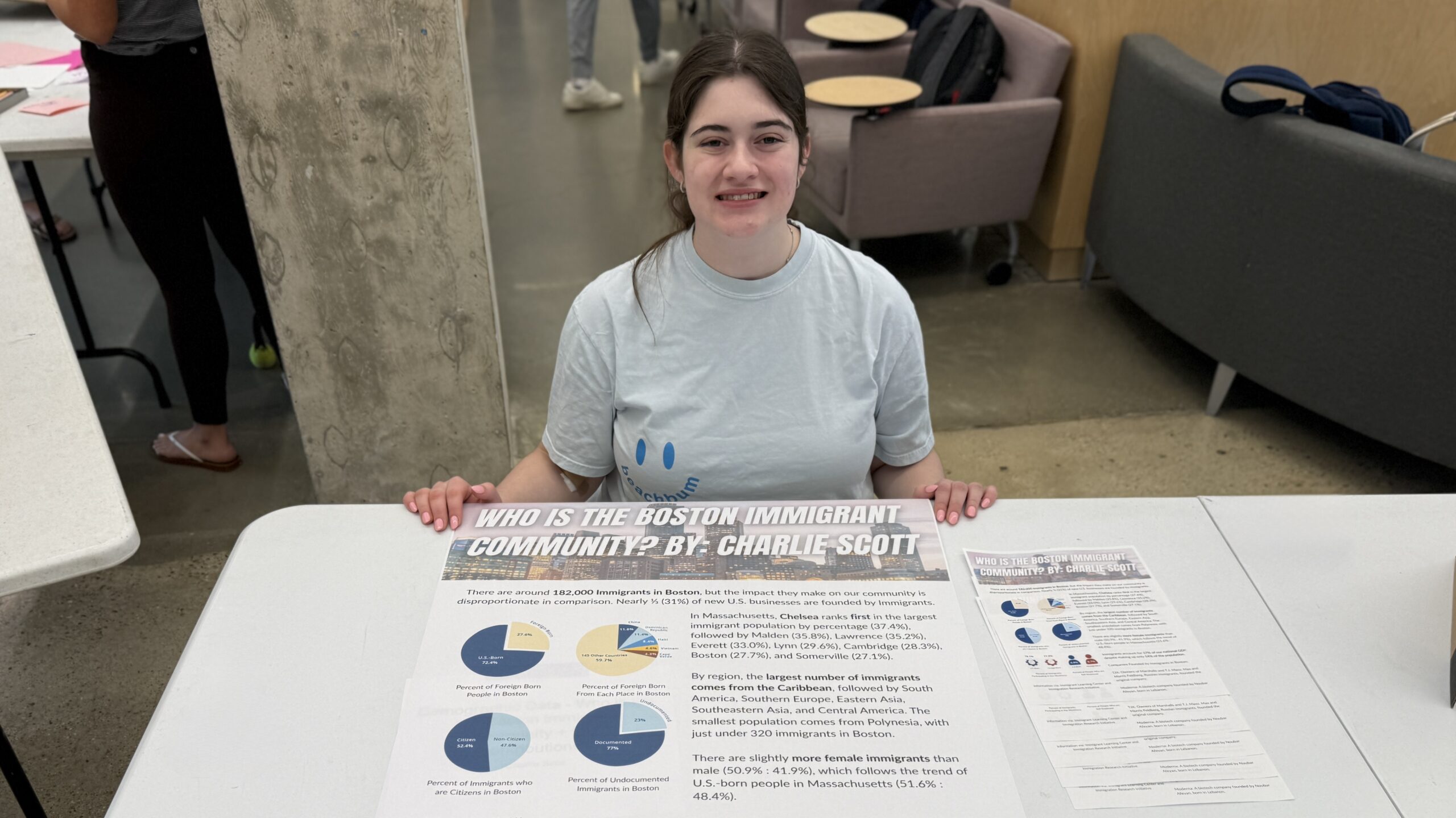
The student-led Social Impact Fair provided an additional opportunity for students to engage in conversation. At one booth, Charlie Scott ’28 discussed her volunteer work with the Immigrant Learning Center, sharing statistics and resources on Boston’s immigrant communities. At another, students wrote supportive notes to families in ICE detention centers as part of the Letters of Love Campaign. Regardless of the approach, each display was an invitation for students to connect with their peers on the issues that matter most to them.
My favorite part about getting involved in this work was learning that there were things I (and others) could actually do to help the cause instead of just feeling hopeless and doing nothing. I hope my peers learn that it’s best to stay informed, and even if an issue doesn’t immediately affect them.
Shirin Sakoulis ‘27
Iván Espinoza-Madrigal’s residency and the Social Impact Fair showcase how meaningful dialogues can often start with student advocacy. “Our students ask urgent questions, seek understanding, and want to engage meaningfully with complex issues on a daily basis. Our role as educators is to create spaces where they can think critically, listen deeply, and imagine how they might participate in shaping a more just future,” noted Director of the Hiatt Center Liz Latour. “As an Expert in Residence, Iván amplified this by affirming our communities’ concerns, broadening our perspectives, and providing hope for the future.”
To hear perspectives from students will help inform the work that I do. These are voices that are going to help shape the way that I engage in advocacy and how I’m thinking about legal issues, particularly as they impact youth.
Iván Espinoza-Madrigal, Executive Director of Lawyers for Civil Rights
Explore more from the Hiatt Center