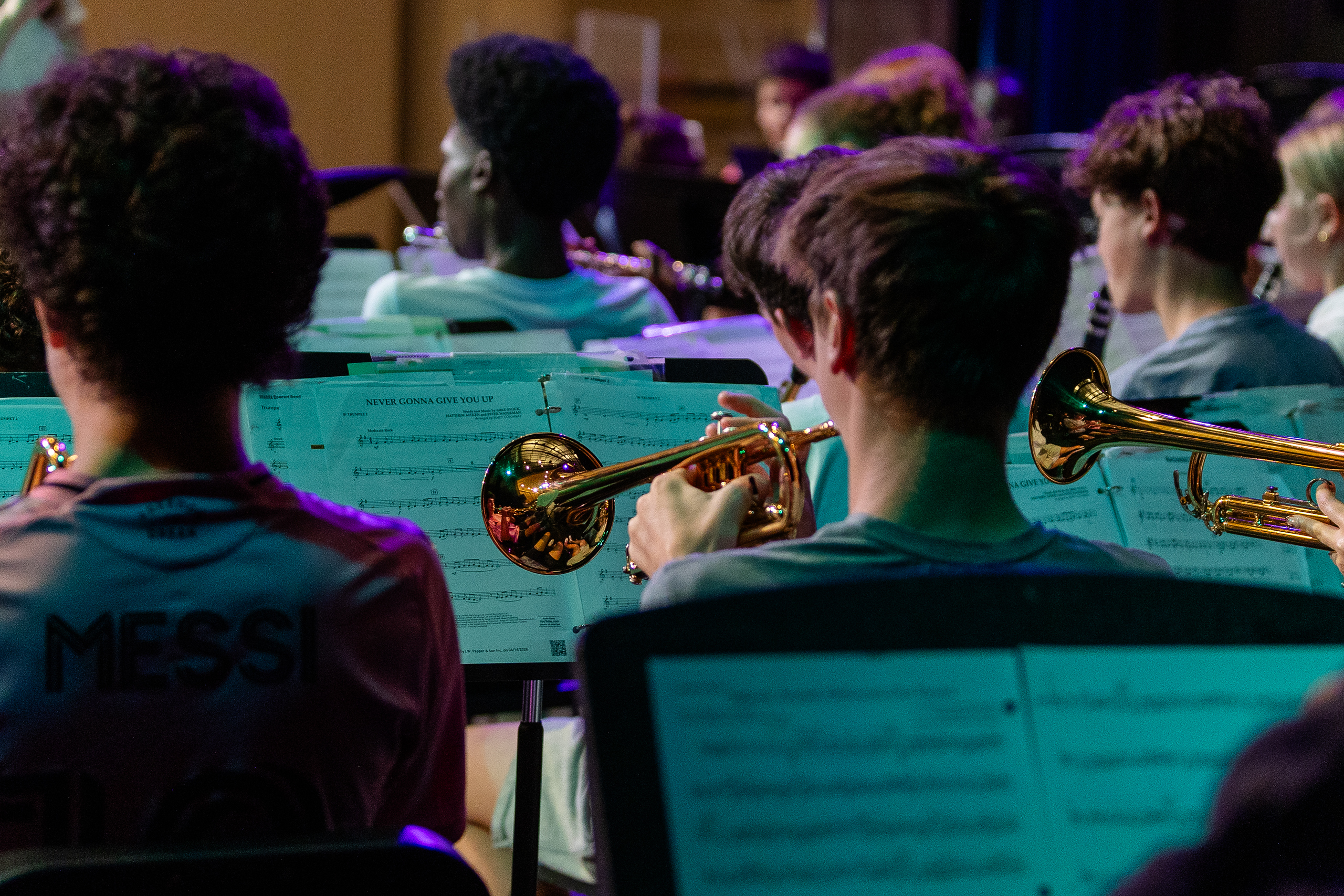
Fifteen years ago, a question about participation in Beaver’s music program uncovered a series of barriers that extended far beyond the classroom. In the remarks below, Performing Arts Department Head and Artistic Director Tina Farrell shares how that discovery led to a complete redesign of the Middle School music program—and how that process put a spotlight on Beaver’s approach to teaching and learning.
I have a confession to make: I am not a musician. I am a theater artist. Because of this, I understood when I took on the role of Artistic Director and Head of Performing Arts 15 years ago, that I had a lot of listening and learning to do. And that’s where this story starts.
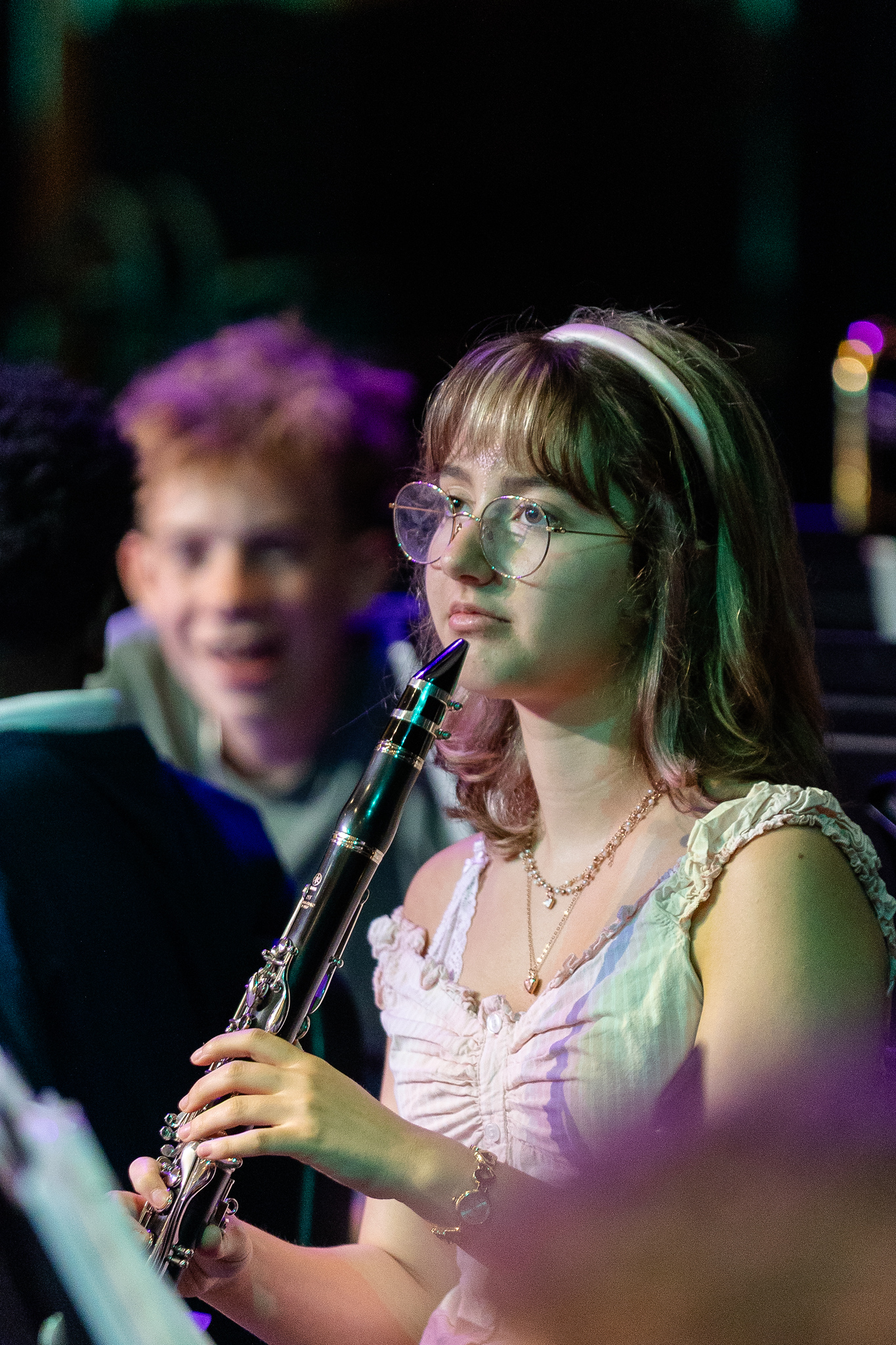 As I settled into my role and thought of areas of improvement, music was not at the top of my list. On paper, the program looked successful. The concerts were strong. Students were engaged. No one was complaining. But I couldn’t get past a simple question: “Where are the girls?” Answering it led us down a path that would ultimately reshape the entire program.
What we discovered was that the barriers started long before students even arrived at Beaver. There were deeply ingrained societal ideas about who plays what—images of boys with brass instruments and girls with flutes or violins. And of course, boys don’t sing. Cultural expectations quietly steering students toward instruments that “matched” a gender. As strange as it sounds, instruments had genders.
And those associations had consequences for children. The instruments labeled as more “masculine”—brass, guitar, percussion—tended to align with certain musical styles. Others—woodwinds and strings—aligned with different ones. So as the program evolved, the genres we could offer were shaped by the instruments students chose at a previous school, and the instruments students chose were shaped by those stereotypes. The result? A cycle that reinforced itself.
Add to that financial barriers—private lessons, instrument rentals—the structure of the school day, and a traditional model of music education that often prioritizes talking about music over actually making it. It became clear: the chips were stacked against us.
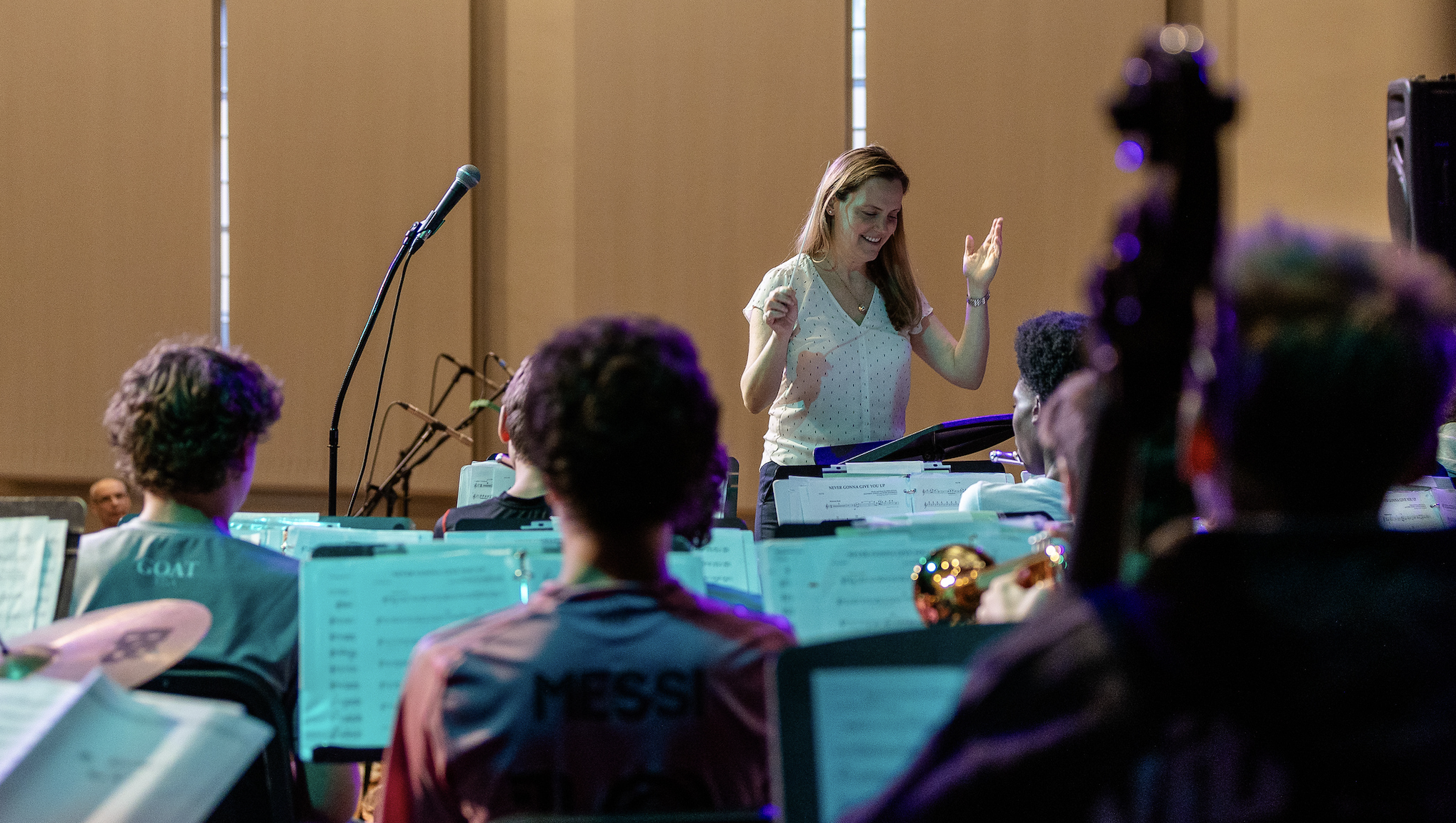
At many schools, you work within that structure. You make incremental changes. You adjust around the edges. You try to make it work. But not at Beaver. At Beaver, we asked a different question: What if we started from scratch? I was encouraged to think big and to think differently.
I visited schools and programs of all kinds. I spoke with experts from leading institutions. I was given many models, many “right ways” to build a program. But here’s the thing: Beaver is not a place that adopts models. It’s a place that builds them.
So we committed to a few big, essential ideas:
- That every student deserves access—without financial or structural barriers.
- That students should learn through doing and through real world experiences.
- That we should actively break down stereotypes—including who plays what.
- That joy, collaboration, and creativity are not extras—they are essential.
And then we built a program to match. This is not how most schools teach music, and that’s the point.
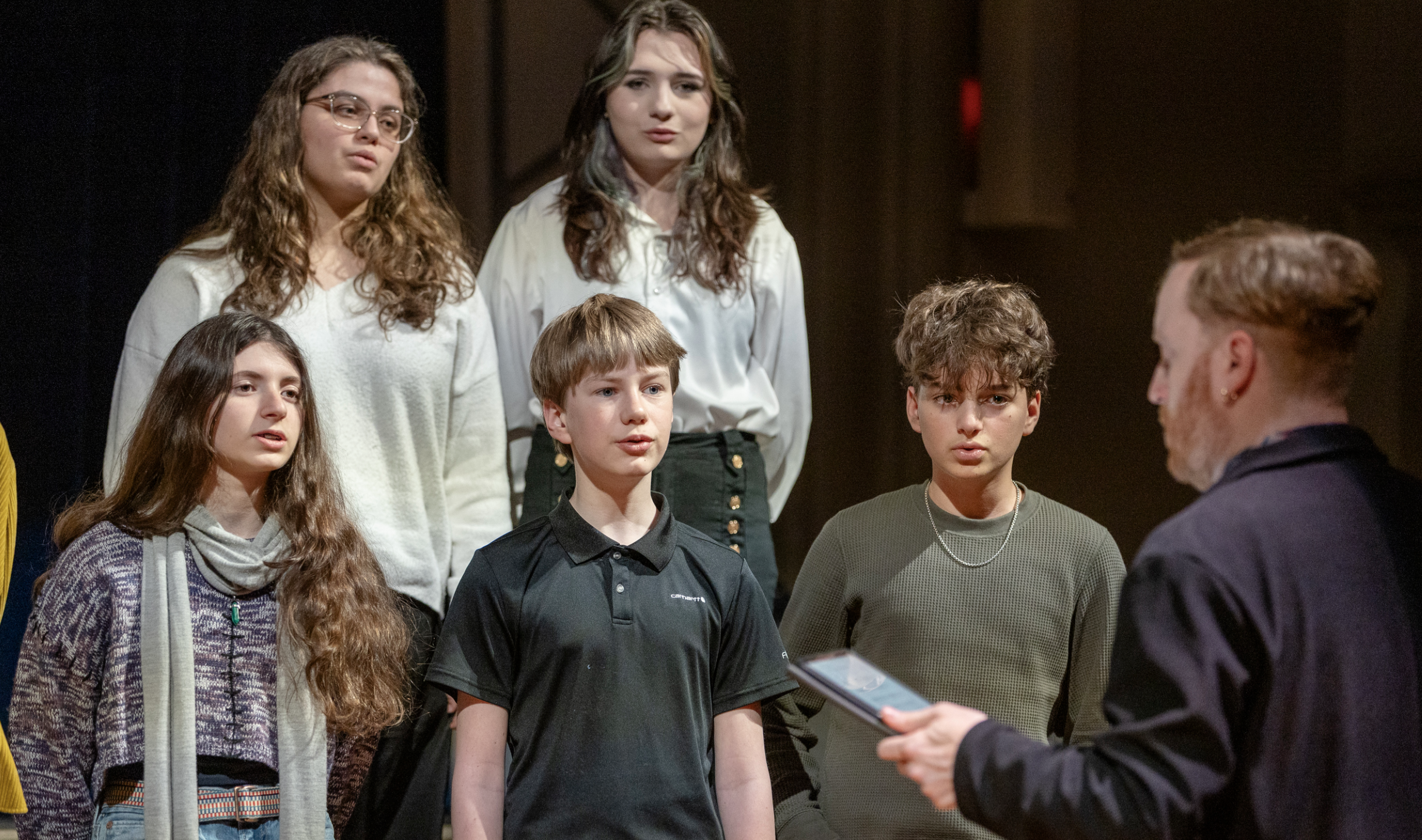
Ten years later, the results are clear. The program has grown not just in size, but in representation, in access, and in the breadth of musical experiences we can offer. We now see students represented across all instruments, across all voices. We can teach a wider range of genres.
Students now see themselves as creators and collaborators in ways they might never have before.
Tina Farrell, Performing Arts Department Head
This program is not an outlier at Beaver. It is an example. An example of what happens when you give educators the space to think differently. When you center students in the design process. When you are willing to challenge long-standing assumptions about what school “should” look like.
Across all of our performing arts programs—and really, across the entire school—we prioritize community over competition. Collaboration over comparison. Creativity over convention. As we look ahead to a world increasingly shaped by artificial intelligence, we believe these are the most essential—and most human—skills our students can develop.
Sometimes, big changes start with a simple question: something as simple as “Where are the girls?”
At Beaver, we don’t just answer such questions. We reimagine the systems that create them.